Shortcrust pastry is a staple in the world of baking, often used for everything from fruit tarts and cream pies to cookies and scones.
It’s relatively easy to make, but there are a few key points to keep in mind to ensure a tender, flaky result.
Here’s what you need to know about making shortcrust pastry.
What is shortcrust pastry?
Shortcrust pastry typically consists of flour, fat (usually butter), a little bit of water and sometimes a little bit of sugar or egg.
Each ingredient plays a vital role in the final product:
- Flour provides structure.
- Fat provides tenderness and helps to give the pastry its characteristic texture and flavour.
- Sugar adds sweetness and helps to give the pastry a delicate, crispy texture.
- Egg/water binds the ingredients together.
Knowing what each ingredient does will help you to understand why certain steps are important when making shortcrust pastry.
Keep the fat cold
The temperature of the fat is crucial when making shortcrust pastry.
If the fat is too warm when it is worked into the flour, it will blend in too thoroughly and make the pastry tough and difficult to roll out.
For best results, work quickly and handle the pastry as little as possible.
If your hands are warm, or if the pastry is starting to feel greasy or sticky, pop it in the fridge for a few minutes to chill before continuing.
Mix the ingredients
Mix the flour and fat together according to the recipe you’re using.
You should end up with a mixture that resembles breadcrumbs.
Do not knead the pastry, as shortcrust pastry doesn’t require the same level of gluten development as bread dough.
Don’t overwork the pastry
If you work the pastry too much, you’ll develop too much gluten in the flour, which will make the pastry tough and hard to roll out.
As soon as the pastry comes together, stop working it.
Chill the pastry
Chilling the pastry is an important step that shouldn’t be skipped.
This will allow the fat to firm up again and will also give the gluten time to relax.
This will make the pastry easier to roll out and will help to prevent it from shrinking in the oven.
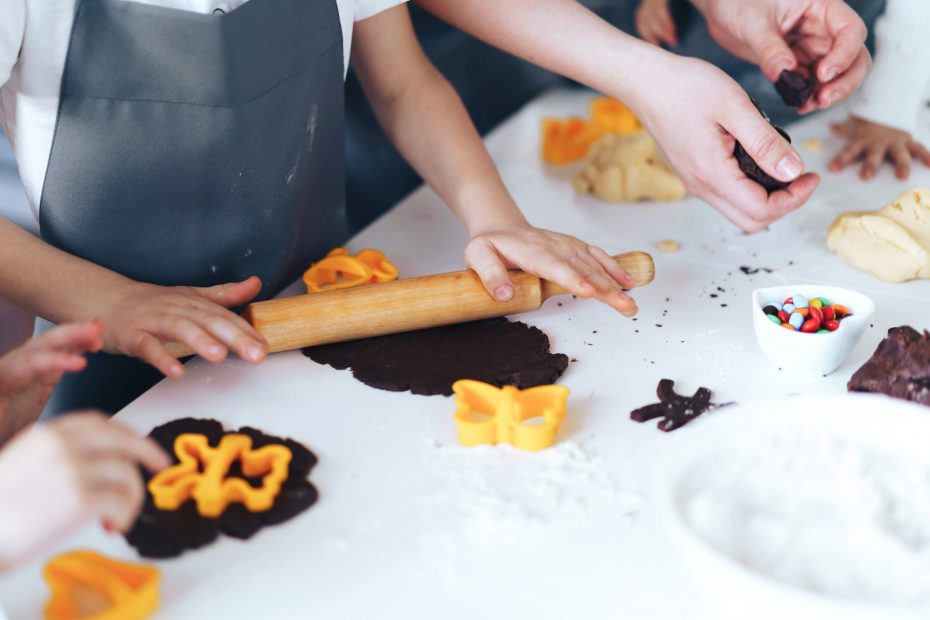
Roll out the pastry
Roll the pastry out to an even thickness.
If some parts of the pastry are thinner than others, they’ll cook more quickly and could become overcooked while the rest of the pastry is still undercooked.
Roll gently
Roll the pastry out from the centre and turn it over from time to time to make sure it doesn’t stick to the surface.
If it starts to stick, sprinkle with a little flour and continue rolling.
If you add too much flour, it will affect the texture of the pastry.
Transfer the rolled pastry into the pan. Press gently into the corners and sides without pulling the dough, as doing so may result in shrinkage when baking. Trim the edges and chill the crust in the fridge if recommended by the recipe.
Prick or Blind Bake When Needed
Depending on the filling, the pastry may need to be partially or fully baked before adding the other ingredients. You can prick the pastry base with a fork to avoid large bubbles forming. Some tart recipes will also benefit from being blind baked with parchment paper and baking weights to ensure the crust holds its shape.
How do I know whether I should partially or fully bake the pastry?
This depends entirely on the type of filling you are using. If your tart is filled with a liquid custard, for example, you might want to partially bake the crust first. However, if you are filling the tart with something that is already cooked, then it would make sense to fully bake the pastry shell before adding any ingredients. The key point here is that you need to know what your tart needs before you decide on the length of time to bake the pastry for.
Why is my tart bottom soggy?
One of the most pleasurable parts of a tart is that nice crisp base. There are several reasons why your base could be soggy, for example:
- The filling has too much liquid
- Your tart wasn’t baked enough
- The oven temperature is incorrect
- The filling was added to the raw pastry even though it should have been blind-baked first
Ensure the pastry has had enough time to cook before adding any liquid ingredients.
What went wrong with my shortcrust pastry?
Here are some tips on solving some of the common problems with shortcrust pastry.
My dough crumbled too much
Add more liquid. Depending on the recipe, you may need a small amount of extra moisture. Add the liquid slowly, rather than all at once.
The dough was sticky
If the dough feels too sticky, the butter may have been too warm. Chill the dough and roll it out. Try not to add more flour than the recipe states.
The pastry shrank
Did you stretch the pastry when fitting it into the tart pan? Make sure the pastry has rested enough before you attempt to roll it out.
The pastry was tough
You may have worked the pastry dough too much, or perhaps added too much flour.
Can I add flavors to my shortcrust pastry?
Yes! Now that you know the basics, you can experiment with other ingredients to add flavor. Perhaps a little lemon zest, some spices, cocoa powder, ground nuts, or whatever ingredient you think will complement your filling. Sometimes, all you need to add to a tart pastry is one other ingredient to transform it into a different dessert.
Final thoughts
Shortcrust pastry is relatively easy to make if you follow the basics: ensure the butter stays cool, avoid overmixing, roll out the dough evenly, and let it rest. It might take you a few tries to get the hang of making perfect pastry, but once you know how the temperature and handling affects the dough, making a tart becomes very straightforward.
Here at SweetHorizon, we believe that mastering basic pastry will open up the door to many more desserts than you ever imagined.