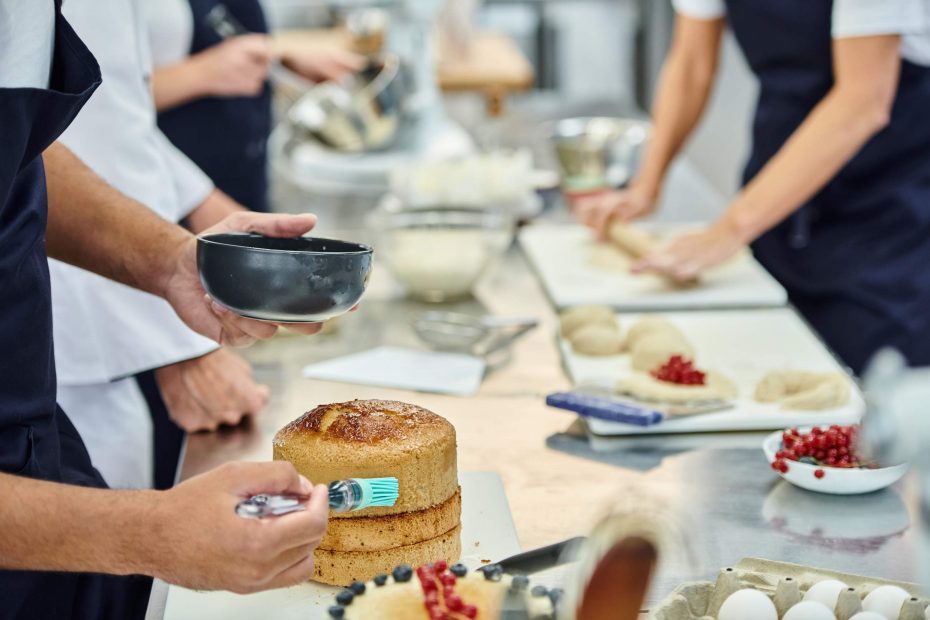
While sweet is usually the primary flavor, other elements like acidity, bitterness, saltiness, richness, and texture all play a part. Knowing this can be helpful when you want to make a more sophisticated dessert.
1. Start with sweetness
Sugar is a major part of a lot of desserts, but more sugar doesn’t always mean more delicious. Too much sweetness can make a dessert feel cloying and overpower any other flavors. Instead of just adding more sugar, think about the other components in your recipe.
Ingredients like fruit, chocolate, nuts, dairy, and spices react with sweetness differently.
Evaluate the whole dessert
If you have a sweet sponge and a rich buttercream, it might benefit from a tangy or lighter component.
Berries, citrus, or a lightly tart fruit filling could be a good option.
2. Include some acid
An acidic ingredient is one of the simplest ways to balance sweetness.
Citrus juice, berries, yogurt, sour cream, or certain fruits can bring brightness to rich desserts. Even a small amount can make a big difference.
Citrus is incredibly versatile
You can use lemon, lime, and orange in everything from creams and glazes to cakes and curds.
The acid can counteract the richness of other ingredients, and the aroma adds extra flavor.
3. Don’t forget salt
Salt might seem strange in a dessert, but just a pinch can enhance sweetness and allow other flavors to come through. It’s especially useful in:
- Chocolate
- Caramel
- Cookies
- Nuts
- Buttercream
You don’t want your dessert to taste salty, though. Salt should be complementary to the other flavors, not stand out on its own.
4. Add some bitterness
Bitterness adds depth to sweet desserts and keeps them from tasting one-note.
Dark chocolate, coffee, cocoa, and certain nuts are a few ways to add bitterness.
Match bitterness with sweetness
One good example is chocolate. If you’re using dark chocolate in a cake, pair it with something sweeter like cream, caramel, berries, or fruit. The different flavors work together to create a more complex taste.
5. Think about fat and richness
Fat from ingredients like butter, cream, chocolate, and mascarpone gives desserts texture as well as flavor. Richness can make a dessert feel indulgent, but it can also be too much. ### Add Something New
Some acid is often needed to cut through the richness of certain components. Citrus fruit, a fruit coulis, yogurt-based cream, or light mousse are all ways to add freshness to a dessert.
This is why many great desserts use a creamy component along with a bright or acidic component.
Texture Is Also Important
Flavor isn’t the only consideration when building a dessert.
A good dessert has a variety of textures.
For example:
- Crispy pastry
- Spongy cake
- Creamy filling
- Crunchy nuts
- Silky glaze
- Juicy fruit
The contrast between textures makes every bite feel different.
Combine Complementary Flavors
Instead of making every component of your dessert taste completely different, select a few flavors that pair well together.
For instance, a dessert might include chocolate, coffee, and hazelnut. These flavors don’t taste the same in every component, but they belong to the same flavor family.
Repeat One Flavor to Tie Ingredients Together
Some recipes repeat a flavor throughout several components to create a unified dessert.
A dessert might include a lemon sponge, a lemon cream, and some fresh berries. The lemon ties the components together, but the berries add a point of contrast.
Taste as You Develop Your Recipe
If you’re creating your own dessert, taste each component by itself. Then taste the components together.
A component that tastes perfect on its own might taste different when combined with other sweet, tart, or rich components. This is especially true if you need to adjust the amount of sugar, acid, or salt.
Don’t Overload with Flavors
Adding more ingredients to a dessert doesn’t always make it better.
Too many strong flavors can make it hard to determine what the dessert actually tastes like.
Start with two or three core flavors, and then expand from there.
Keep a Flavor Narrative
What do you want your dessert to taste like at first? What do you want it to taste like at the end?
For example, your dessert might begin with citrus, move into vanilla cream, and finish with crunchy nuts.
This sort of progression can make your dessert feel thought out without adding dozens of ingredients.
Conclusion
Dessert flavor balancing is about finding ways to contrast different elements, while still keeping them balanced and harmonious together.
Acid helps balance sweetness; salt enhances the flavor; bitterness adds depth; richness adds body; and different textures contrast against each other.
Once you stop thinking of dessert as just “something sweet,” you’ll have more room to experiment.
At SweetHorizon, we think learning to balance dessert flavors is one of the most useful skills a dessert-maker can learn. Once you understand how different flavors interact, you won’t just follow recipes. You’ll be able to invent desserts yourself!